
Innovation is often misunderstood as complexity, disruption, or costly transformation. In reality, the most effective innovation today is practical, integrated, and focused on solving real operational challenges. For companies navigating fast-changing markets, innovation succeeds when it delivers clarity, efficiency, and measurable value—without unnecessary friction. Modern innovation is no longer about experimentation for novelty. It is about building systems that operate, scale, and adapt in real-world conditions.
Innovation as an Operational Advantage
Companies today face increasing pressure to modernize while maintaining stability. Innovation becomes meaningful when it enhances existing processes rather than replacing them entirely. Practical innovation improves how organizations operate, communicate, and engage—through solutions that can be deployed progressively and refined over time. This approach shifts innovation from abstract concepts to applied systems tested in real environments.
Technology That Simplifies, Not Complicates
Advances in artificial intelligence, automation, and connected infrastructures have made innovation more accessible. Modular platforms and cloud-based systems allow organizations to introduce new capabilities without major restructuring or long implementation cycles. When technology is well integrated, it supports faster decision-making, improved coordination, and more responsive operations. The real value lies not in the complexity of tools, but in how seamlessly they integrate into daily workflows.
From Digital Presence to Intelligent Experiences
Innovation increasingly takes place in physical environments—exhibitions, public spaces, corporate venues, and urban settings. Here, technology must operate at scale while remaining intuitive for users. Large-format displays, interactive installations, and connected media surfaces transform spaces into communication platforms. Combined with data intelligence, these environments become adaptive systems that respond to audience behavior, context, and timing.
How Savvy Applies Practical Innovation
Savvy enables practical innovation by bridging physical environments with intelligent digital systems. Through DOOH networks, media façades, cylinder screens, and large-scale LED displays, Savvy helps organizations deploy innovation where audiences actively engage. Beyond infrastructure, Savvy integrates content management, interaction layers, and performance monitoring—making innovation operational, measurable, and adaptable. Rather than isolated technologies, Savvy focuses on connected ecosystems where media, space, and data function as one.
Humanizing Innovation Through Interaction
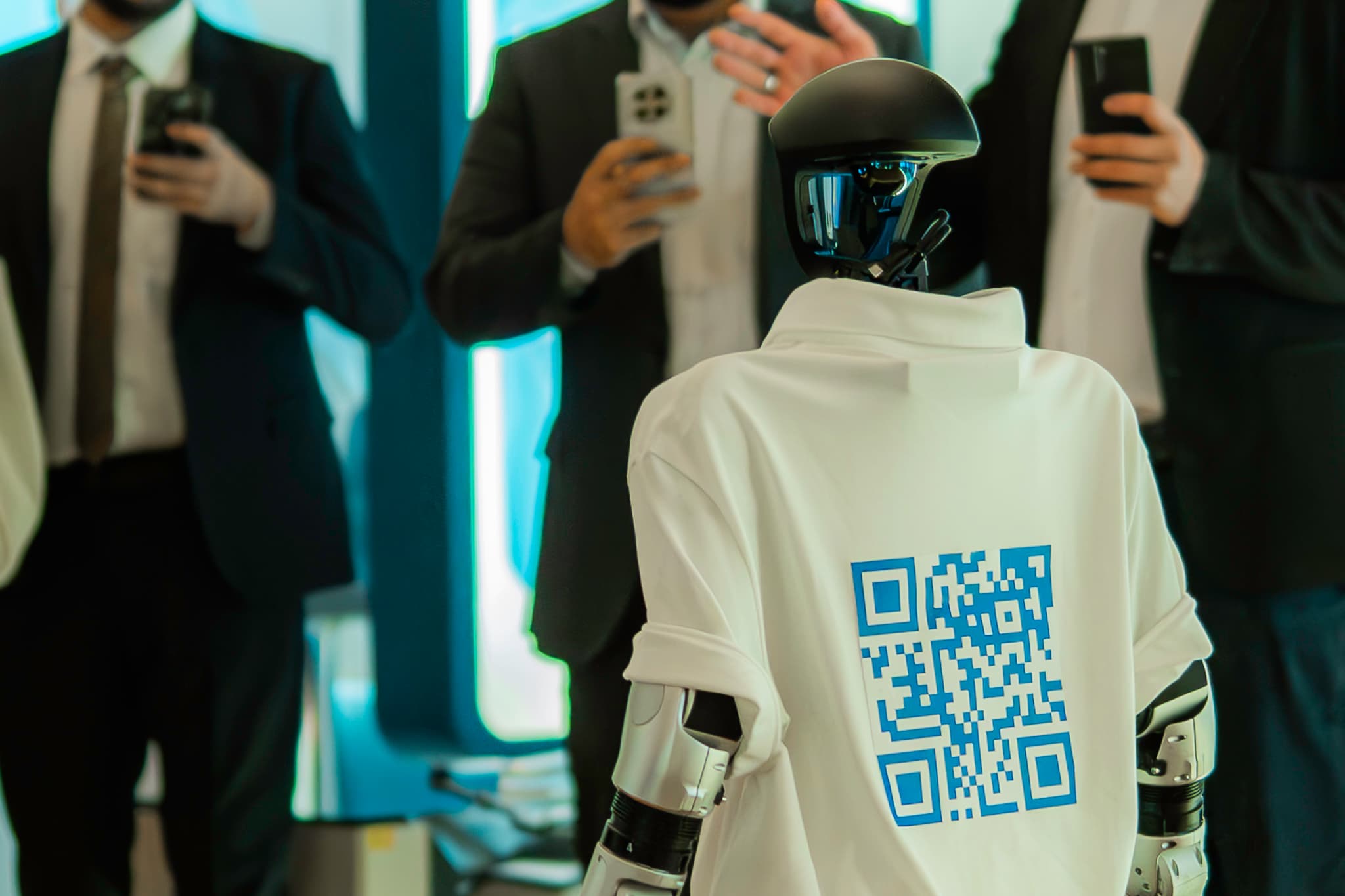
Accessibility is central to practical innovation. Technology must be understandable and engaging to be effective. Through interactive experiences, gaming zones, AI-powered booths, and human interfaces such as Mr. Savvy, innovation becomes tangible rather than abstract. These elements translate advanced technology into experiences people can immediately understand, interact with, and remember—without technical explanation.
Innovation as a Long-Term Capability
For today’s companies, innovation is not a one-time initiative. It is a capability that evolves alongside business needs. Practical, scalable solutions grounded in real use cases are those that support sustainable growth. By prioritizing integration, simplicity, and real-world application, innovation becomes a stable foundation rather than a disruptive risk.